
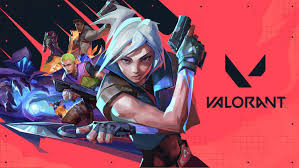
Valorant” is Riot Games’ highly successful tactical first-person shooter, blending precise gunplay with the unique abilities of its diverse roster of agents. Launched in 2020, the game has quickly become a staple in the competitive FPS scene, offering a fresh take on the genre by mixing elements from classic shooters with strategic abilities similar to hero-based games like Overwatch. With its deeply tactical gameplay and thriving esports scene, Valorant continues to captivate players worldwide.
Core Gameplay – Strategy Meets Precision
At its core, Valorant is a 5v5 tactical shooter that emphasizes teamwork, strategy, and precise aim. Each match is played across multiple rounds, with one team attacking and the other defending. The objective for attackers is to plant a spike (a bomb) at one of several designated sites, while defenders must prevent this from happening or defuse the spike once it’s planted.
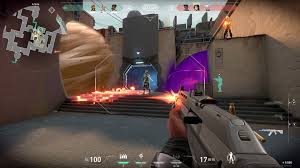
What sets Valorant apart from other tactical shooters is the integration of agent abilities. These abilities, however, don’t overpower the importance of gunplay. Accurate shooting remains critical, and managing your economy to purchase weapons, shields, and abilities adds an extra layer of strategy.
Agents and Their Roles
Valorant features a growing roster of agents, each belonging to one of four roles: Duelists, Controllers, Initiators, and Sentinels. Each role serves a specific purpose within a team composition, making it crucial to coordinate with teammates and choose agents that complement each other.
- Duelists: These are the entry fraggers, designed to seek out and eliminate opponents aggressively. Agents like Jett, Reyna, and Phoenix are examples of Duelists, with abilities that allow them to take quick, decisive action.
- Controllers: Controllers like Brimstone and Viper excel at manipulating the map by using abilities to block sightlines or area control, making them invaluable for setting up attacks or defenses.
- Initiators: Initiators like Sova and Breach help their team get the upper hand by forcing opponents out of position, scouting enemies, or stunning them to create an opening.
- Sentinels: Sentinels, like Sage and Killjoy, are defensive experts. Their abilities focus on holding choke points, healing, or setting traps to slow down enemy advances.
Competitive Balance and Esports Scene
Since its launch, Valorant has seen significant success in the esports world. Riot Games has created a structured competitive scene, including high-profile tournaments like the Valorant Champions Tour (VCT), which culminates in the Valorant Champions, an international event where the best teams from around the world compete for the championship title.
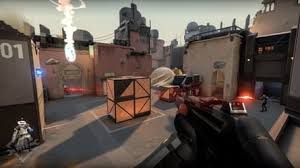
The competitive nature of Valorant stems from its balance between abilities and shooting mechanics. While agents’ abilities play a crucial role, they are designed to be supportive rather than dominant. This ensures that victory in Valorant is determined by team strategy, skillful execution, and mechanical precision, rather than simply relying on overpowering abilities. Try And Diablo 4
Maps – Tactical Complexity
Valorant’s maps are designed with strategic depth in mind, each offering unique layouts that challenge players to adapt their tactics. As of 2024, Valorant features maps like Ascent, Bind, Split, Icebox, and Fracture, each with distinct characteristics and playstyles.
The intricate design ensures that no two matches play out the same, with each game demanding adaptability and coordination.
The Importance of Economy
A key aspect of Valorant is managing the in-game economy. At the start of each round, players earn credits based on their performance in the previous round, which they can spend on weapons, armor, and abilities. Proper economy management is essential, as it determines a team’s ability to purchase the right tools to win the next round. Teams must decide when to force buy, eco, or full buy, adding a strategic layer that rewards smart decision-making and long-term planning.
Weapon Variety and Gunplay
While agent abilities add a unique element to Valorant, the game’s weapon mechanics are where its true tactical depth shines. Weapons like the Vandal, Phantom, Operator, and Sheriff have become iconic in the community, each catering to different playstyles. The Vandal and Phantom serve as the primary rifles, with the Vandal delivering one-tap headshots at any range, while the Phantom offers a silenced, more accurate option at mid-range.
Valorant’s gunplay is unforgiving but rewarding. Precise aim and recoil control are crucial for success, making every shot count. Weapons have specific recoil patterns that players must learn to master, and this, combined with agent abilities, makes for a rich, competitive experience.
Ongoing Updates and Community Engagement
Regular balance changes, new agents, map updates, and seasonal events keep the game fresh and engaging. The developers actively listen to player feedback, ensuring that the game evolves alongside its community, making Valorant a living game that constantly improves and adapts.
The release of new agents and maps has kept the player base excited and engaged, while patches and updates maintain competitive balance. Riot also promotes an inclusive community, with initiatives focused on reducing toxicity and ensuring a welcoming environment for players of all skill levels.
Conclusion: Valorant’s Lasting Impact on the Tactical Shooter Genre
Valorant has cemented itself as a key player in the tactical shooter genre, combining the precision and depth of classic shooters with the added complexity of agent abilities. Its focus on competitive balance, teamwork, and strategic depth ensures that it will remain a staple in both casual and professional gaming communities for years to come.
Whether you’re a newcomer to tactical shooters or a seasoned pro, Valorant offers an engaging and skill-based experience that rewards communication, coordination, and mechanical prowess.