
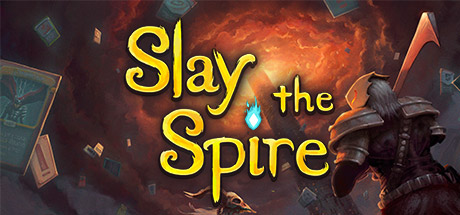
Slay the Spire,” developed by MegaCrit, is a groundbreaking roguelike deck-builder that has captured the hearts of gamers since its release in 2019. Combining elements of card games, strategic decision-making, and roguelike mechanics, Slay the Spire invites players to embark on a challenging journey up a mysterious tower filled with powerful foes and unique relics. The game stands out for its engaging gameplay, rich strategic depth, and high replayability, making it a must-play for fans of the genre.
Gameplay – The Mechanics of Strategy
At its core, Slay the Spire revolves around deck-building mechanics. Players choose one of several unique characters, each with its own starting deck and abilities. The characters include:
- The Ironclad: A warrior with a focus on strength and defense, utilizing powerful attacks and the ability to heal.
- The Silent: A stealthy assassin who specializes in poison and combo attacks, requiring a strategic approach to deck management.
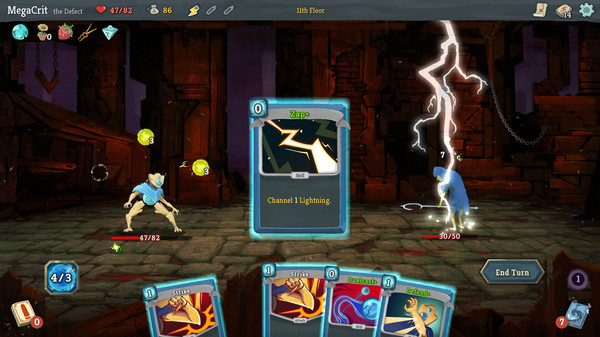
- The Defect: A robot that uses orbs to deal damage and defend, offering a different playstyle based on energy management.
- The Watcher (added in the “Downfall” expansion): A monk-like character who uses stances to maximize damage potential.
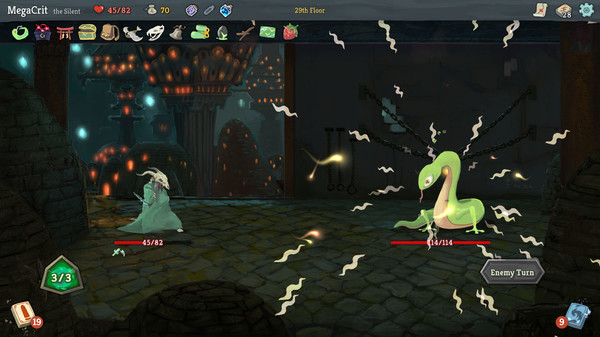
As players climb the Spire, they face a series of encounters that include combat, events, and shops. Each decision matters, as players choose paths that lead to different types of encounters, balancing the risk and reward of their journey.
Deck Building – Customization and Strategy
One of the most compelling aspects of Slay the Spire is its deck-building system. As players defeat enemies and complete events, they earn cards to add to their decks, allowing for deep customization and strategy. Each card serves a specific purpose, whether dealing damage, providing defense, or offering unique effects.
Cards are categorized into three types:
- Attack Cards: Used to deal damage to enemies.
- Skill Cards: Provide defensive abilities or manipulate energy and resources.
- Power Cards: Provide ongoing effects that can dramatically alter the course of a battle.
Players must think critically about their deck composition, balancing the synergy between cards to create powerful combinations. The game rewards strategic planning, as players can curate their decks to maximize efficiency and adaptability against various enemies. Try And Total War: Warhammer 3
Relics – Powerful Enhancements
In addition to cards, players can acquire relics throughout their journey. Relics provide passive bonuses and unique effects that can significantly influence gameplay. They can enhance card effects, provide additional energy, or even alter the rules of the game. Finding the right combination of cards and relics is crucial for survival as players encounter increasingly challenging enemies.
Relics add an additional layer of strategy to deck-building. With over 200 relics available, players can adapt their strategies based on the relics they find, leading to diverse and dynamic gameplay experiences.
The Spire – A Dynamic Environment
The Spire is divided into multiple acts, each with its own set of enemies, bosses, and thematic elements. The design of the Spire creates a sense of progression and challenge, as players must adapt to new environments and enemies in each act. The variety of enemies ranges from common foes to powerful bosses, each with unique abilities and mechanics that require different strategies to defeat.
Additionally, the game features a variety of events and encounters that can either aid or hinder players, adding to the unpredictability of each run. Players may find treasure, face difficult choices, or even suffer negative effects, making each climb feel fresh and exciting.
Replayability – Endless Challenges
One of the standout features of Slay the Spire is its replayability. The roguelike structure ensures that no two runs are the same. With randomized encounters, card rewards, and relics, players can experiment with different strategies and deck compositions each time they play. This variability keeps the gameplay engaging and encourages players to refine their strategies with each ascent.
The game also features various unlockable content, including additional characters, cards, and ascension levels that increase difficulty, adding more challenges for seasoned players. Ascension levels introduce new modifiers that change the gameplay dynamics, allowing for deeper mastery of the game’s mechanics.
Art and Sound Design – A Captivating Experience
Visually, Slay the Spire has a distinctive art style that blends charming hand-drawn illustrations with smooth animations. The design of the cards, enemies, and environments is aesthetically pleasing, adding to the overall immersion of the game.
The sound design complements the gameplay with an atmospheric soundtrack that enhances the sense of adventure and tension. Each encounter feels dynamic and engaging, thanks to the well-crafted sound effects and music.
Conclusion: A Must-Play for Strategy Fans
Slay the Spire is an innovative and captivating deck-building roguelike that has set a new standard in the genre. Its combination of strategic depth, engaging mechanics, and high replayability makes it a standout title. Whether you’re a seasoned player or new to the genre, Slay the Spire offers a rich and rewarding experience that will keep you coming back for more.
With its unique blend of card game mechanics and roguelike elements, Slay the Spire is a game that encourages experimentation and creativity. As players climb the Spire, they will discover countless strategies, engage in thrilling battles, and face the ever-present challenge of overcoming the tower’s trials.